Tech·Nerdo
LatestReviewsGuidesComparisonsDeals
Search⌘K
Est. 2026 · 189 stories in printHead-to-Head · Samsung Galaxy Glasses vs Meta Ray-Ban Smart Gl…
Home/Latest/Wearables/Samsung Galaxy Glasses vs Meta Ray-Ban: The 2026 Smart Glas…
001
ComparisonSamsung Galaxy Glasse…
FiledApr 28 · 2026
Read3 min · 457 words
Bylineomer-yld
ComparisonWearables·3 min read·Apr 28, 2026

Samsung Galaxy Glasses vs Meta Ray-Ban: The 2026 Smart Glasses Fight

Samsung Galaxy Glasses leaks and Meta's next Ray-Ban push point to a bigger smart-glasses fight in 2026. Here is how the two approaches differ.

OY
Omer YLD
Founder & Editor-in-Chief
Apr 28, 20263 min · 457 words
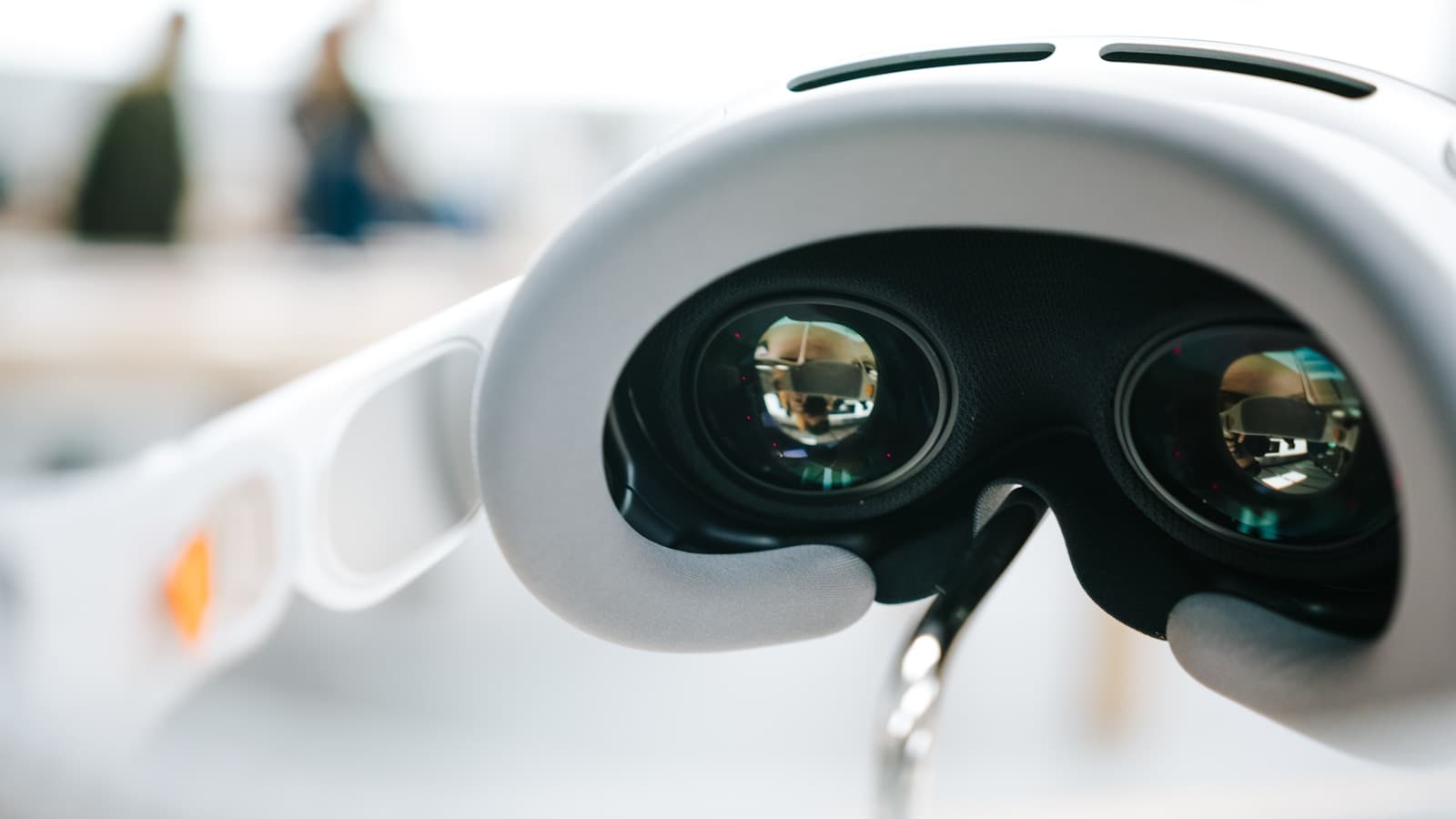
Close-up of smart glasses hardware representing Samsung Galaxy Glasses and Meta Ray-Ban smart glassesPhoto · Sam Grozyan / Unsplash
Above → Close-up of smart glasses hardware representing Samsung Galaxy Glasses and Meta Ray-Ban smart glasses
Filed from · IstanbulPhoto · Sam Grozyan / Unsplash

Samsung's first Galaxy Glasses have moved from rumor to something more tangible after leaked renders appeared across GSMArena, The Verge, and Tom's Guide coverage. At the same time, Meta's Ray-Ban line is pushing toward a more ambitious next generation, with the rumored Hypernova model reportedly targeting a far higher price tier.

That sets up the smart-glasses comparison that matters in 2026: Samsung's ecosystem-first Android play versus Meta's social-camera-and-AI play.

The Briefing3Things to watch

What we're tracking

  • Meta is the current winner because it already ships smart glasses. Samsung's leaked hardware still needs price, battery, camera, and software confirmation.
  • Samsung's advantage is ecosystem control. Galaxy phones, watches, earbuds, SmartThings, and Galaxy AI give Samsung obvious integration paths.
  • Privacy is still the category problem. Any camera-equipped smart glasses must convince people nearby that recording is visible, limited, and socially acceptable.

Why Samsung Galaxy Glasses matter

Samsung does not need to invent the idea of smart glasses. It needs to normalize them for Android users. That means the product has to look like eyewear first and technology second, pair instantly with Galaxy phones, and make AI useful without forcing people to shout commands in public.

The leaked renders suggest Samsung understands the first part: normal-looking frames matter. The software side is the bigger unknown. A Galaxy Glasses product that simply takes photos and plays audio will feel late. A product that can read messages, translate signs, summarize what you are seeing, hand off calls, and control SmartThings could feel like a natural Galaxy accessory.

Why Meta is hard to beat

Meta has the thing Samsung does not yet have: evidence. The Ray-Ban partnership gives Meta fashion credibility and retail reach. The current glasses already proved there is demand for camera glasses that do not look like developer hardware.

Meta also has a strong use case around capture. Quick photos, short videos, open-ear audio, calls, and AI questions are all easy to understand. That matters because smart glasses fail when users cannot explain why they need them.

Privacy will decide mainstream acceptance

Smart glasses are not just another wearable. A watch mostly records you. Glasses record the room. That makes indicator lights, camera behavior, data handling, and social norms central to the buying decision.

Samsung may get a first-generation trust advantage simply by not being Meta. Meta, however, has more real-world practice dealing with the backlash.

Round winner →

Meta Ray-Ban is the better recommendation today. Samsung Galaxy Glasses are the more interesting product to watch if you want an Android-native alternative.

Current pick

Bottom line

If you need smart glasses now, Meta wins. If you are a Galaxy user and can wait, Samsung may be worth holding out for until price, specs, and software are official.

— ∎ —
Filed underSamsungMetaRay BanSmart GlassesWearablesComparison2026
OY
About the writer

Omer YLD

Founder & Editor-in-Chief

Omer YLD is the founder and editor-in-chief of Technerdo. A software engineer turned tech journalist, he has spent more than a decade building web platforms and dissecting the gadgets, AI tools, and developer workflows that shape modern work. At Technerdo he leads editorial direction, hands-on product testing, and long-form reviews — with a bias toward clear writing, honest verdicts, and tech that earns its place on your desk.

  • Product Reviews
  • AI Tools & Developer Workflows
  • Laptops & Workstations
  • Smart Home
  • Web Development
  • Consumer Tech Analysis
All posts →Website
Was this piece worth your five minutes?

Join the conversation — sign in to leave a comment and engage with other readers.

Sign InCreate Account

Loading comments...

More from Wearables

All Wearables coverage →
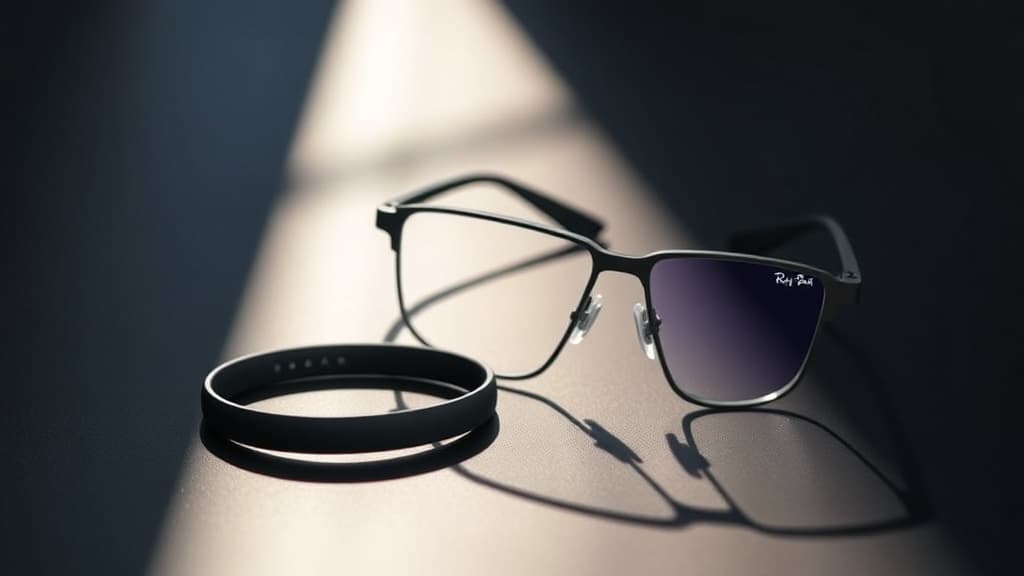
Meta Ray-Ban Display smart glasses on a minimal dark surface with the Neural Band wristband alongsideReview8.0
Wearables

Meta Ray-Ban Display Smart Glasses Review: The Future on Your Face

Apr 20 · 13 min
Apple Watch Ultra 3 in natural titanium on a dark rugged surfaceReview9.0
Wearables

Apple Watch Ultra 3 Review: The Adventure Watch Catches Up to Garmin

Apr 21 · 9 min
Fitness smartwatch displaying health metrics on a wrist during workoutAnalysis
Wearables

Best Smartwatches for Fitness in 2026: Ultimate Buyer's Guide

Apr 4 · 12 min
Share
The Technerdo Weekly

Analysis worth reading, delivered every Monday.

One carefully written email a week. Features, deep dives, and the stories buried under press-release noise. No daily clutter.

One email a week · Unsubscribe any time · No affiliate-only promos
Tech·Nerdo

Independent tech reviews, comparisons, guides, and the best deals worth your time. Built for nerds, by nerds.

Sections

LatestReviewsGuidesComparisonsDeals

Topics

AISmartphonesLaptopsSmart HomeCybersecurity

About

AboutContactPrivacyTermsAffiliate disclosure
© 2026 Technerdo Media · Built for nerds, by nerds.
· Since 2016 ·