NewsAi5 min read
Musk vs. Altman Trial Explained: Why OpenAI's Future Is in Court
Elon Musk's lawsuit against Sam Altman and OpenAI is now in federal court. Here is the timeline, the nonprofit question, and why the case matters beyond Silicon Valley drama.
Omer YLD
Founder & Editor-in-Chief
5 min · 957 words
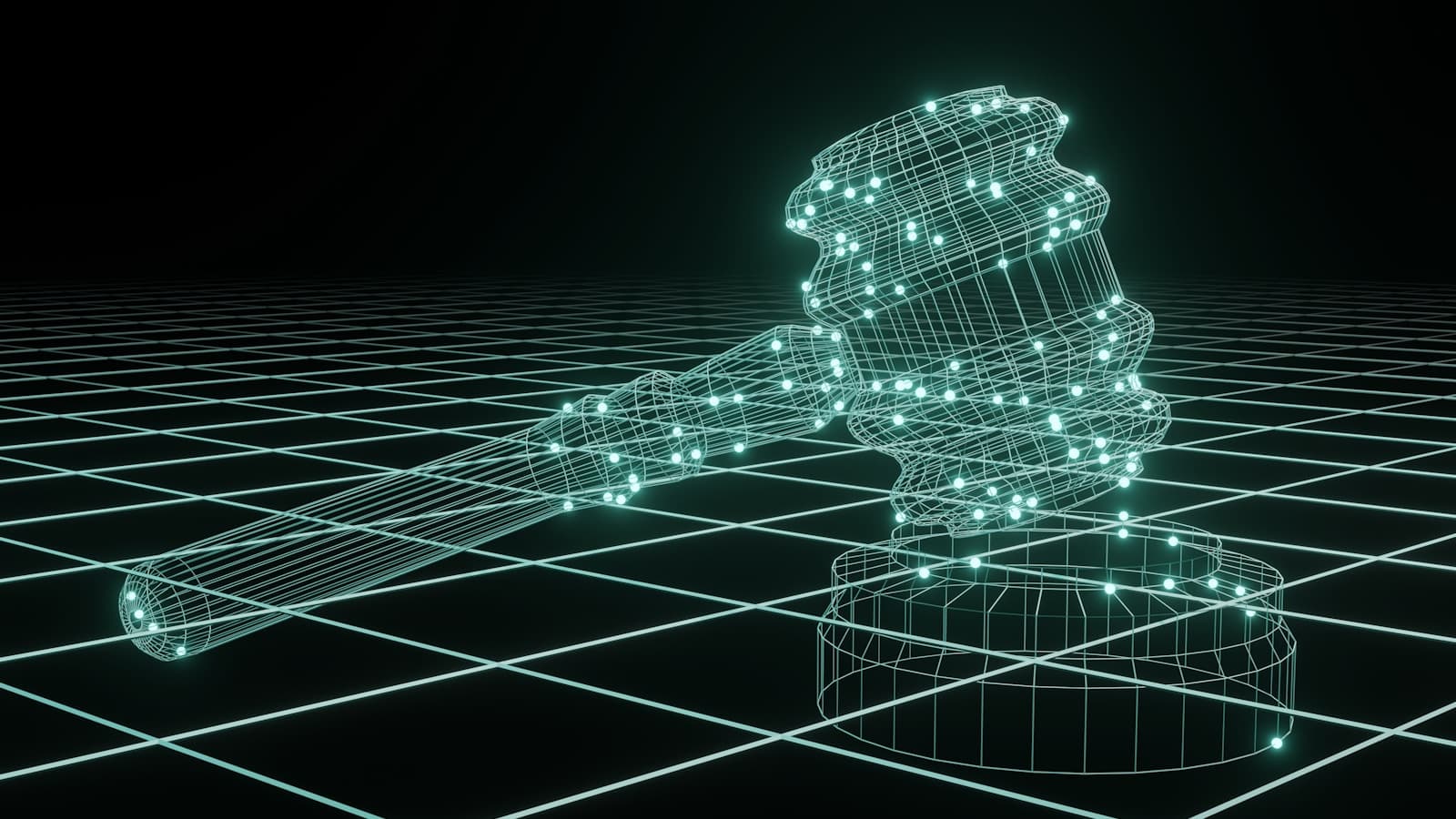
Filed from · IstanbulPhoto · Conny Schneider / Unsplash
Elon Musk and Sam Altman are now facing each other in an Oakland federal courtroom over a dispute that could reshape OpenAI's governance. Coverage from Ars Technica, Wired, Fortune, TechCrunch, and The New York Times describes a trial centered on a deceptively simple question: did OpenAI betray the mission it was created to serve?
That question matters because OpenAI is no longer a research lab with a famous demo. It is a platform company, a consumer subscription business, an enterprise vendor, a model provider, and one of the most important buyers of AI infrastructure on earth. A courtroom fight over its original mission now has consequences for everyone building on top of AI.
What the Musk vs. Altman case is about
Musk co-founded OpenAI in 2015 as part of a group that framed the organization as a counterweight to closed, profit-maximizing AI labs. The original pitch emphasized broad benefit, safety, and research that would not be controlled by one corporation.
OpenAI later created a capped-profit structure to raise the money required for frontier model development. That structure enabled massive investment and Microsoft partnership, but it also made OpenAI look less like a public-interest lab and more like a commercial AI platform.
Musk's argument is that this transformation violated the spirit and possibly the legal commitments of OpenAI's founding. OpenAI's counterargument is that the mission required scale, scale required capital, and capital required a structure that could pay for chips, talent, safety work, and deployment.
Why the nonprofit question matters
Most users do not care whether the chatbot they use is owned by a nonprofit, a capped-profit entity, or a public company. But governance changes what incentives a model provider responds to when things get expensive or risky.
A pure nonprofit can prioritize safety and openness but may struggle to fund frontier infrastructure. A conventional for-profit can raise huge sums but is under pressure to monetize aggressively. OpenAI tried to sit between those worlds. The trial is testing whether that middle structure can survive a real legal challenge.
If the court accepts the idea that OpenAI's commercial turn breached enforceable commitments, other AI labs with public-benefit language will take notice. If the court sides with OpenAI, it may validate a path where public-interest framing coexists with giant commercial partnerships.
The timeline in plain English
The broad sequence looks like this:
- OpenAI is founded with a public-benefit mission. Musk, Altman, and other backers position it as a safety-focused AI lab.
- The cost of frontier AI rises. Training competitive models requires more compute, more talent, and more capital.
- OpenAI builds a capped-profit arm. The structure is designed to attract investment without fully abandoning nonprofit oversight.
- Microsoft becomes the defining strategic partner. Azure compute and Microsoft distribution turn OpenAI into a commercial force.
- Musk sues. The lawsuit challenges whether OpenAI's current direction honors its original commitments.
- The trial begins. Jurors now have to listen to a story that blends contract law, corporate control, AI safety, and Silicon Valley personalities.
Why the jury pool matters
Reports from the opening phase noted that some prospective jurors expressed negative views of Musk. That does not decide the case, but it shows the difficulty of trying a dispute where the personalities are globally famous. The court has to separate legal questions from public feelings about Musk, Altman, ChatGPT, Tesla, xAI, and Big Tech.
That is harder than it sounds. Jurors are being asked to evaluate intent, mission, and governance in an industry where the public story changes every few months.
Note
The practical question
Strip away the celebrity layer and the case becomes simple: when an AI lab promises to serve the public good, who gets to enforce that promise once billions of dollars are involved?
What the trial could change
The most dramatic outcome would be a ruling that forces changes to OpenAI's governance or limits parts of its commercial structure. That is possible, but courts are usually cautious about rewriting large organizations in fast-moving industries.
More likely, the trial becomes a governance precedent. Investors, boards, regulators, and AI safety groups will study how the court treats mission language, nonprofit oversight, and the relationship between public benefit and commercial necessity.
For developers and customers, the near-term product impact is limited. ChatGPT will not disappear because of a week of testimony. But the long-term impact could be meaningful if the case affects OpenAI's ability to raise capital, restructure, partner, or license models.
What to watch next
Watch testimony around three themes.
First, listen for documents or statements that define OpenAI's original commitments. The more concrete those commitments look, the stronger Musk's case becomes.
Second, watch how OpenAI explains the necessity of commercialization. If the company convinces the court that scale was required to pursue the mission safely, its current structure looks more defensible.
Third, watch whether the case exposes new details about Microsoft, Amazon, or other infrastructure relationships. The courtroom may become one of the few places where the business architecture of frontier AI is described under pressure.
The trial is noisy because of the names attached to it. But the real issue is bigger than Musk versus Altman. It is whether the companies building general-purpose AI can claim public missions while operating at hyperscaler scale.
— ∎ —
Was this piece worth your five minutes?
Join the conversation — sign in to leave a comment and engage with other readers.
Loading comments...